WHY FAST DRIVERS LOOK AT DATA (AND DON’T TALK ABOUT IT)
There’s a moment that happens at almost every track day.
You’re chatting in the paddock. Same car class. Same tires. Same conditions.
You go out together.
And somehow… they pull a gap.
Not a little gap. A what the hell just happened gap.
Later you ask them what changed.
They shrug.
“Nothing really.”
That’s usually when you notice the device on their dash.
Here’s the uncomfortable truth about getting faster on track:
Fast drivers don’t guess.
They don’t rely on feel alone.
And they definitely don’t hope improvement just shows up with more laps.
They look at data.
Not because they’re struggling.
But because they’re serious.

Data isn’t for beginners. It’s for drivers who hate leaving time on the table.
There’s a myth in motorsports that data is only for pros, engineers, or people who “aren’t confident in their driving.”
That myth is why so many drivers plateau.
The reality is the exact opposite.
Drivers who look at data aren’t admitting weakness.
They’re eliminating blind spots.
Most drivers don’t lose time because they’re slow everywhere.
They lose time because they repeat the same two or three mistakes every lap and never realize it.
Too early on throttle.
Too late on release.
Braking harder than necessary.
Missing exit speed.
Seat time alone won’t fix that.
More laps just reinforce the habit.
Data shows you the truth.
This is exactly the gap Fire Laps is built to close. Not by overwhelming you with charts, but by showing you—clearly and simply—where time is actually being left on the table.
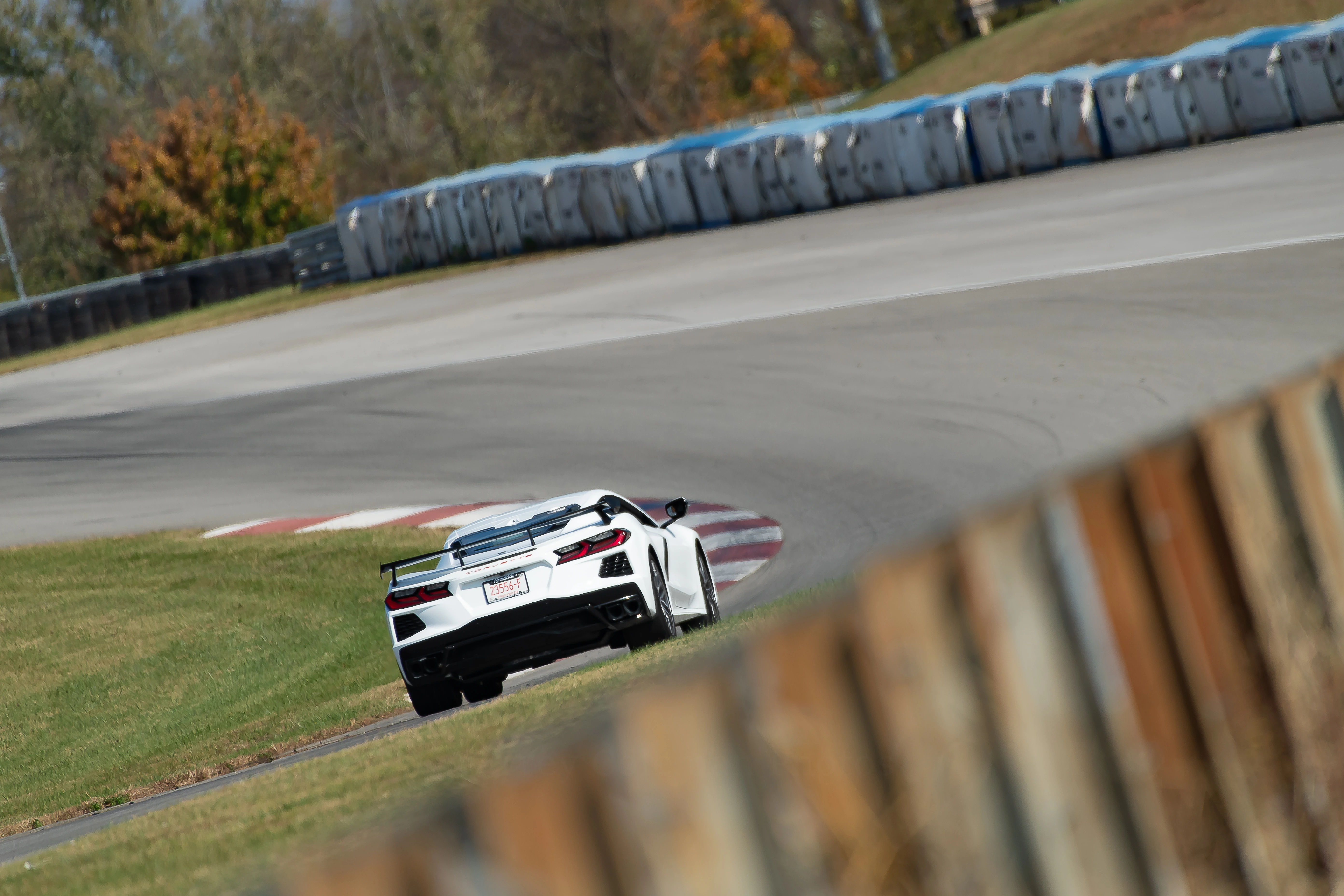
This is why your buddy got two seconds faster in one weekend.
When someone starts using data, the improvement usually feels dramatic to everyone watching.
It looks like talent.
It looks like confidence.
It looks like a breakthrough.
What actually happened is much simpler.
They stopped guessing.
Instead of thinking “I felt good through there,” they saw exactly where time was being lost.
Instead of changing five things at once, they fixed one thing that mattered.
Instead of driving on instinct alone, they drove with clarity.
That’s why the jump happens fast.
Not because data makes you a different driver.
But because it removes uncertainty.
Fire Laps was designed around this exact moment—the one where clarity replaces guesswork and improvement stops feeling random.
Data doesn’t replace instinct. It sharpens it.
The best drivers in the world still drive by feel.
Data doesn’t replace that.
It confirms it.
It answers questions like:
- Was that line actually faster, or did it just feel fast?
- Did braking later help, or did it hurt exit speed?
- Was that a good lap, or just a clean one?
Once you see those answers, your instinct improves.
Your confidence improves.
Your decision making improves.
And that’s when people start asking what you changed.
The real reason drivers avoid data
Most drivers don’t avoid data because they don’t want to improve.
They avoid it because they’re afraid of what it might say.
Data is honest.
It doesn’t care about excuses.
It doesn’t care how confident you felt.
But here’s the upside:
Once you know the truth, improvement stops being mysterious.
And fast stops feeling random.
If you want to stop wondering where the time is hiding, start looking.
That’s what fast drivers do.
If you’re curious what that clarity looks like in practice, Fire Laps gives you a simple way to see it—without turning your driving into homework.